The Best Packable Gear for Trekking
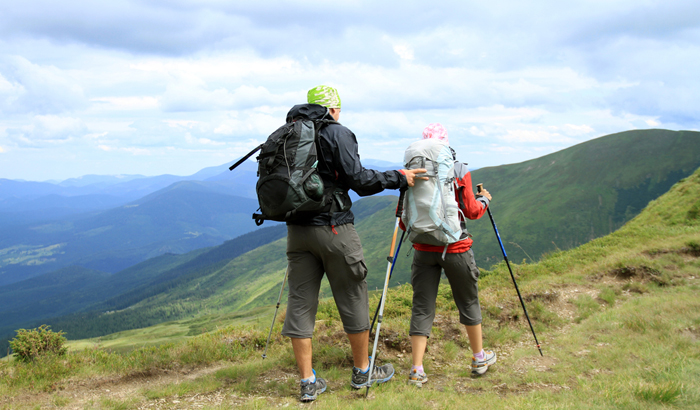
The Best Packable Gear for Trekking
When the trail calls, the way you pack can make all the difference. Whether you’re hiking up the misty slopes of Letchmi Hills or conquering the breath taking Meesapulimala Trek, the right packable gear turns a good trek into a great one.
Trekking in Munnar is a journey through rolling tea gardens, wild forests, and mountain ridges kissed by clouds — and to enjoy every step, you need gear that’s lightweight, weatherproof, and dependable.
In this guide, we’ll uncover the best packable trekking gear every adventurer should carry — designed to keep your backpack light and your experience unforgettable.
True adventure begins when you carry only what you need, and find that nature provides the rest.
1. The Perfect Backpack: Where Every Adventure Begins
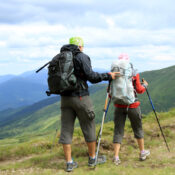
Your backpack is more than a bag — it’s your travel companion. Choose one that’s lightweight, durable, and designed for balance.
- Size: 30–40L for day treks (like Letchmi Hills or Chokramudi).
- Material: Water-resistant ripstop nylon or polyester.
- Features: Chest strap, hip belt, rain cover, and multiple compartments.
Pro Tip: A packable backpack that folds into its own pocket saves space when you’re not using it — ideal for multi-activity days like trek + jeep safari combinations.
2. Footwear: Comfort that Carries You Forward
Every step in Munnar’s terrain — from damp forest paths to rocky ridges — demands grip, comfort, and water resistance.
- Hiking Shoes: Lightweight trekking shoes with deep traction soles.
- Socks: Moisture-wicking merino wool socks prevent blisters.
- Packable Sandals: Great for stream crossings or relaxing post-trek.
Pro Tip: Never wear brand-new shoes on the trail. Break them in at least a week before your trek.
3. Clothing: Layer Smart, Stay Light
Munnar’s weather can shift quickly — a sunny morning can turn misty by noon. Pack layers that are quick-drying and compressible.
- Base Layer: Sweat-wicking T-shirt or thermals (avoid cotton).
- Mid Layer: Fleece or softshell jacket.
- Outer Layer: Lightweight waterproof windbreaker.
- Extras: Convertible trekking pants, sun cap, and a buff/scarf.
Pack Tip: Choose clothing that can be rolled, not folded — it saves space and reduces wrinkles.
4. Hydration Essentials: Because Every Drop Matters
Hydration is key, especially when trekking under the tropical sun
- Collapsible Water Bottles: Compact and eco-friendly.
- Hydration Bladder (2L): Fits inside your backpack for hands-free sipping.
- Water Purification Tablets or Filters: Perfect for longer treks like Meesapulimala or Top Station.
Pro Tip: Add electrolyte sachets to your water for sustained energy and hydration on steep climbs.
5. Compact Survival Tools: The Small Things That Save the Day
When trekking in remote trails or dense forest routes, small tools make a big difference.
- Multi-tool Knife: Compact, foldable, and multifunctional.
- Mini Flashlight or Headlamp: Essential for early sunrise treks or night safaris.
- First-Aid Kit: Include bandages, antiseptic wipes, painkillers, and blister patches.
- Whistle: Lightweight and crucial for signaling in emergencies.
6. Electronics: Stay Powered and Connected
Capture your adventure without worrying about weight or battery life.
- Compact Camera or GoPro: For breath taking sunrise shots at Top Station.
- Power Bank: 10,000 mAh minimum, lightweight preferred.
- Solar Charger: A great eco-friendly add-on for longer treks.
Pro Tip: Keep electronics in a waterproof pouch or ziplock bag — Munnar’s mist is beautiful, but electronics don’t agree!
7. Personal Care & Hygiene
Small comforts go a long way in keeping you fresh and motivated.
- Biodegradable Soap Sheets & Wet Wipes
- Mini Sunscreen & Insect Repellent
- Compact Towel (Microfiber)
- Toothbrush & Paste Tabs
Everything should fit in one small waterproof pouch — the key is efficiency and simplicity.
8. Pack Light, Trek Smart: How to Organize It All
Even the best gear is only useful if you pack it right. Follow the “rule of thirds”:
- Bottom: Sleeping gear, clothes you don’t need during the day.
- Middle: Heavier items (food, cooking gear) for balance.
- Top: Essentials — rain jacket, snacks, first-aid kit.
- Outer Pockets: Water, maps, or camera.
Pro Tip: Keep weight under 8–10 kg for day treks — your body (and your back) will thank you later.
Final Thoughts: Less Weight, More Freedom
The essence of trekking lies not in how much you carry, but how much you feel.
Every item in your backpack should serve a purpose — to protect, empower, or inspire you.
Whether you’re exploring Letchmi Hills at sunrise or conquering Chokramudi’s rugged ridge, packing smart lets you connect deeper with Munnar’s raw, untamed beauty.
So next time you zip up your backpack, remember: lightweight gear isn’t about less — it’s about more room for memories.
Related Adventures with Munnar Wild Trails
All Categories